
Exploring the Rich History of Pasta in Italian Culture


Introduction to Pasta's Storied Past
Pasta, a cornerstone of Italian cuisine, has a rich history that intertwines with the cultural and social fabric of Italy. Its origins are shrouded in mystery, with many intriguing stories tracing its journey to the Italian peninsula. Today, pasta is not just a food; it is a symbol of Italian heritage and innovation.
The earliest records of pasta date back to the 13th century, but some historians believe its history may stretch even further back. This staple has evolved significantly over the centuries, adapting to regional influences and becoming a beloved dish worldwide.

The Origins of Pasta
The debate over pasta's origins is as complex as the dish itself. While some credit Marco Polo with bringing pasta to Italy from China, others argue that ancient civilizations like the Greeks and Romans had their own versions long before his travels. Regardless of its beginnings, pasta's true home became Italy, where it was embraced and perfected.
By the 14th century, pasta had become a widely consumed food in Italy, particularly in the southern regions. It was affordable, versatile, and could be easily stored, making it an ideal choice for many households.
Regional Variations
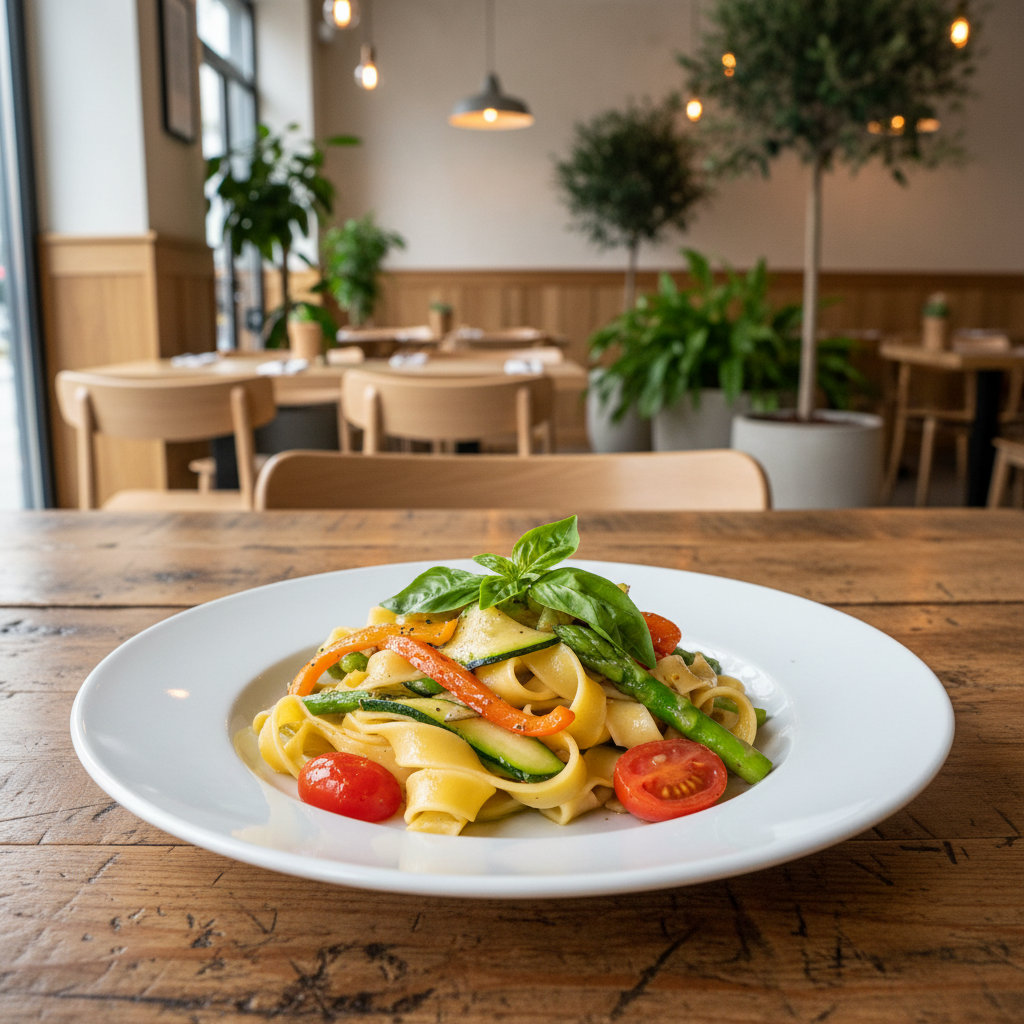
Italy's diverse regions each boast their unique pasta traditions, reflecting local ingredients and cultural influences. In the north, you'll find rich, egg-based pastas like tagliatelle and tortellini, while the south favors simpler, durum wheat-based varieties like spaghetti and penne.
Pasta in Italian Culture
Pasta is more than just a meal in Italy; it is a part of the country's identity. Italians take pride in their pasta-making techniques, often passing down recipes through generations. Traditional methods of pasta production, such as hand-rolling and drying, are still practiced today, preserving the authentic taste and texture.
Italian families often gather around the table to enjoy pasta dishes, making mealtime a cherished ritual. This communal experience highlights the social aspect of pasta in Italian culture, where food serves as a medium for connection and celebration.
Modern Day Pasta
In contemporary times, pasta continues to evolve, with chefs and home cooks experimenting with new flavors and styles. Gluten-free and whole grain options have emerged, catering to diverse dietary preferences while maintaining the essence of this traditional dish.
The global popularity of pasta is a testament to its enduring appeal. From Michelin-starred restaurants to home kitchens across the world, pasta remains a beloved culinary masterpiece, celebrated for its simplicity and versatility.
Conclusion
The rich history of pasta in Italian culture is a testament to the country's culinary ingenuity and passion for food. As a symbol of Italian tradition, pasta continues to inspire and delight, bringing people together through its timeless flavors and comforting presence.
Whether enjoyed in a rustic trattoria or a modern kitchen, pasta's legacy is a tribute to Italy's enduring love affair with this iconic dish.