
Behind the Scenes: Crafting the Perfect Pizza Dough


The Art of Pizza Dough
The foundation of any great pizza is its dough. While toppings often steal the spotlight, it's the dough that provides the essential texture and flavor. Crafting the perfect pizza dough is both an art and a science, requiring attention to detail and a bit of patience.
At the heart of this process are just a few simple ingredients: flour, water, yeast, and salt. However, the way these ingredients are combined and treated can make all the difference. Whether you're a seasoned chef or a home cook, understanding the nuances of dough preparation is key to achieving pizza perfection.
Choosing the Right Flour
Flour is the backbone of pizza dough. The type of flour you choose will affect the dough's texture and chewiness. High-gluten flour, often referred to as bread flour, is typically preferred for its strong, elastic structure. This elasticity helps to create the chewy crust that pizza lovers crave.
For those who prefer a softer crust, all-purpose flour can be used. It's important to experiment with different flours to find the one that suits your taste preferences. Some adventurous bakers even blend various flours to achieve unique textures and flavors.
The Fermentation Process
Fermentation is where the magic happens. This is the phase where yeast interacts with the flour, producing carbon dioxide and alcohol. This process not only causes the dough to rise but also adds depth to its flavor. A longer fermentation period, often achieved by refrigerating the dough overnight, allows for more complex flavor development.
Some pizza makers prefer a quick rise, which results in a milder flavor, while others opt for a slow, cold fermentation to achieve a more robust taste. It's all about personal preference and the flavor profile you're aiming for.

Perfecting the Kneading Technique
Kneading is an essential step in developing the gluten structure within the dough. Proper kneading ensures that the dough is smooth and elastic, allowing it to stretch without tearing. This is crucial for achieving that perfect thin crust.
An effective kneading technique involves folding the dough over itself and pressing it down with the heel of your hand. Repeat this process, rotating the dough as you go, until it becomes smooth and elastic. Typically, this takes about 10 minutes by hand.
Shaping and Baking
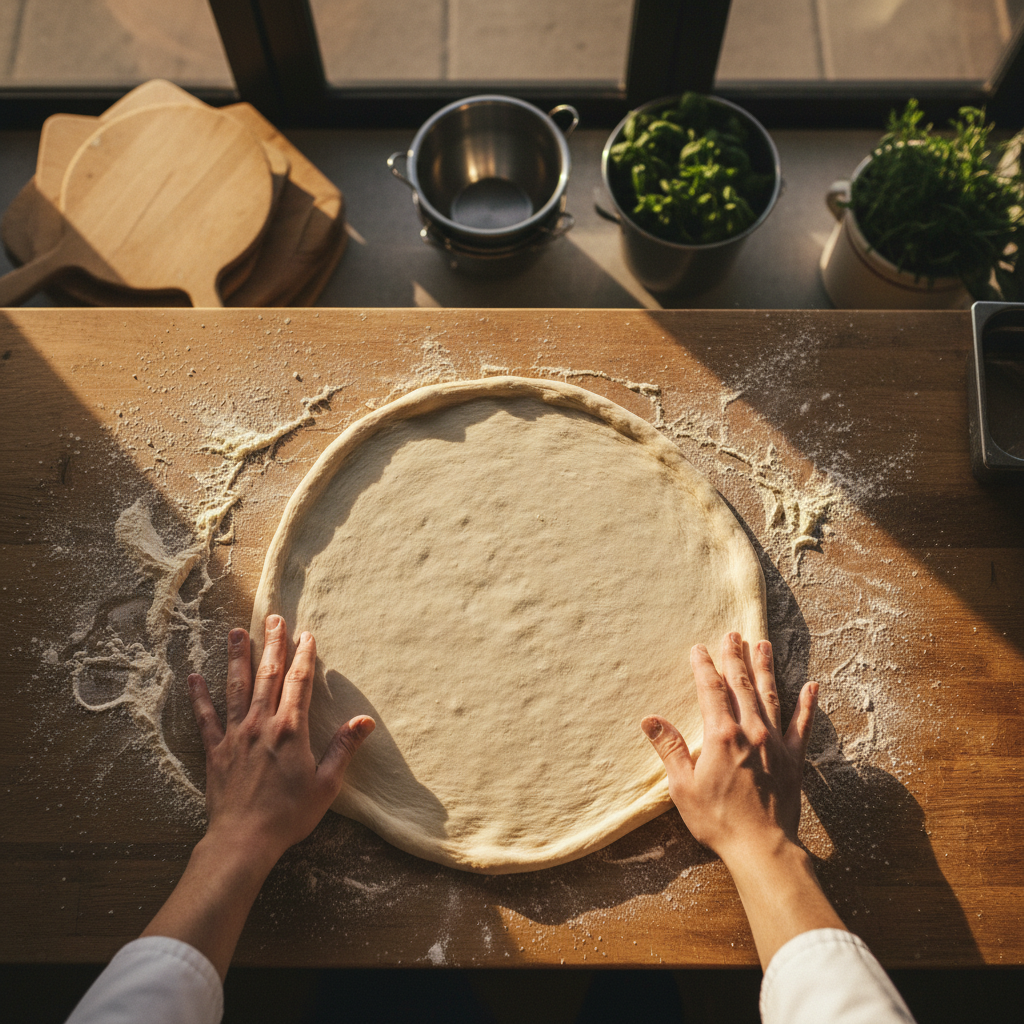
Once your dough has fermented and been kneaded to perfection, it's time to shape it. Shaping the dough requires a gentle hand; too much force can deflate those precious air bubbles that contribute to the dough's airy texture. Use your fingertips to gently stretch the dough to your desired thickness.
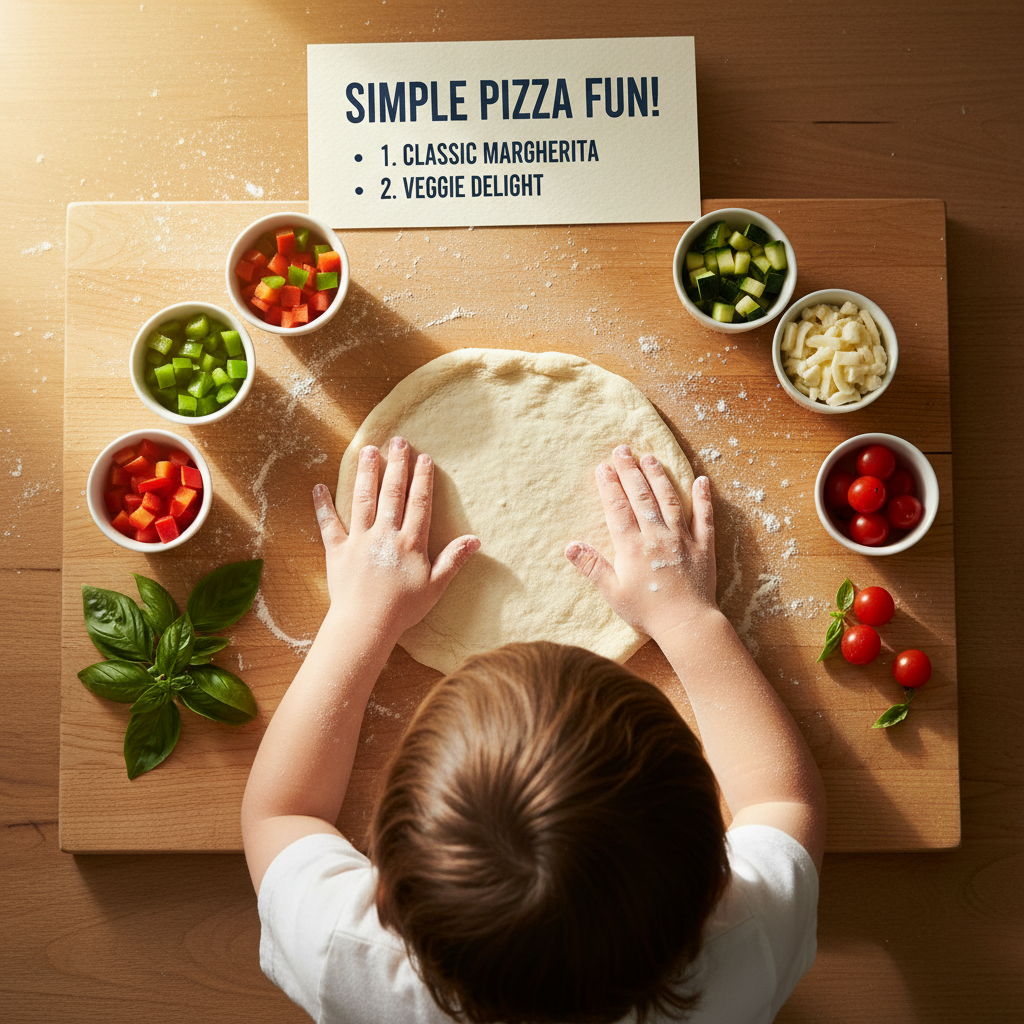
Baking is the final step in the journey of creating the perfect pizza dough. A hot oven is essential, with temperatures ideally reaching between 475-500°F (245-260°C). This high heat ensures that the crust becomes crispy while the inside remains soft and chewy.
By mastering these techniques, you can elevate your homemade pizza to new heights. The perfect dough is within your reach, ready to serve as the canvas for your culinary creations.